
The recent fire incident that damaged the Musi Bridge in Palembang reminds us of the similar unpleasant event happened under the fly-over toll road in North Jakarta a couple years ago. These grotesque fire incidents indicate that we are indifferent, reckless and careless when it related to the public properties. This grim attitude is not only limited to the character of the local people or the respective institutions concerned but to our society and nation as a whole.
It seems that we are quite capable to construct nice toll roads, immense bridges, and other important infrastructures but we don’t know how to maintain them. In August 2007 the fire burnt down the “Jembatan Tiga” fly-over toll road in North Jakarta caused initially by a fire sparked from one of the shelters beneath. The incident seriously weakened the steel structure of the concrete blocks and damaged heavily the toll road, jammed the traffic in North Jakarta for months.
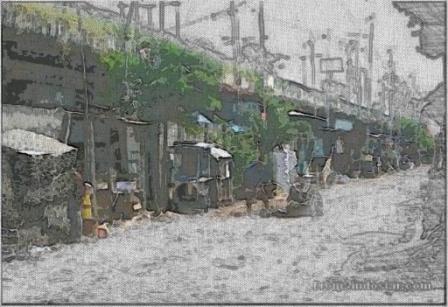
The problems arose when in 2002 the Minister of Settlement and Regional Infrastructure (MoSRI) gave permits to the poor to live under the toll roads through the “memorable” decree No. 214/KPTS/M/2002. As everybody had foreseen, the area under the fly-over toll road soon became slum areas.
Under such Ministry decree, the occupants obviously considered themselves as having the full right in doing their household and daily activities whatever it was, cooking including. As the condition under the toll road getting worse and uncontrollable, the permit was finally annulled by the Minister of Public Works at the end of 2006.

But as we all know, once one allows and tolerates illegal shelters to be built and grown in a certain area, it is hard and almost impossible to evict them to other settlements, not to mention those having the permit, even with some compensation. And, then, suddenly they became illegal occupants as the permit was annulled. The burden was shifted to the city government which should, then, handled properly and carefully all those messy.
The fund spent on the renovation of the toll road was more than Rp40 billion. A big question remains unanswered. How come that such permission is given without due considerations on the aspect of damaging risk that might be caused by the occupants of the shelters? How come that such vital and expensive toll road was allowed to be used simply as a collective roof for the slum shelters? The decree No. 214/KPTS/M/2002 of the MoSRI issued in 2002 was, indeed, the biggest blunder ever made by a government institution.
The situation became worst when the occupants did not have any guilty feeling whatsoever and protested the plan to remove them from the area under the fly-over toll road and held a demo under the coordination of “Urban Poor Consortium” NGO, and wanted to rebuild their burnt houses. The occupants simply rejected the offer when the city government planned to remove them to another place even with compensation.

This problem emerged again and again because we are too indifferent and careless. we are used to looking to the problem of the poverty upside down. We wanted to give compensations or resettle them in modest apartments rather than giving those facilities to the more disciplined good poor people who were in the same deprived conditions but more observant to the laws and orders.
And now there again happens the fire incident damaging the Musi Bridge in Palembang on 10 October 2010. The fire razed the traditional market which is allowed to settle under the bridge causing serious damage to the bridge. The Musi bridge is not only a vital and expensive infrastructure but also a prestigious monumental icon of the region. It is also monumental as it was the first longest bridge ever constructed in the country integrating the road networks in Sumatra.
We hope that the bridge's supporting steel was not heavily damaged which might cause such a beautiful bridge collapse. Were these reckless, careless and indifferent attitudes towards the safety and security of the public properties really our national character?


